
Preface
Hello, it’s been quite a while since the last two posts! Honestly, a lot has happened — both good and bad — but finally, it seems like I've found a way to write something again, and, most importantly, to read some books.
In this preface, I want to clarify that I write mainly to better process what I read, even though I don’t have much expertise, it’s just to share a little bit of my reading experience.
So, don’t expect any deep opinions or critiques.
Additionally, I’d like to try experimenting with different formats to see which one feels most comfortable for me.
That’s about it!
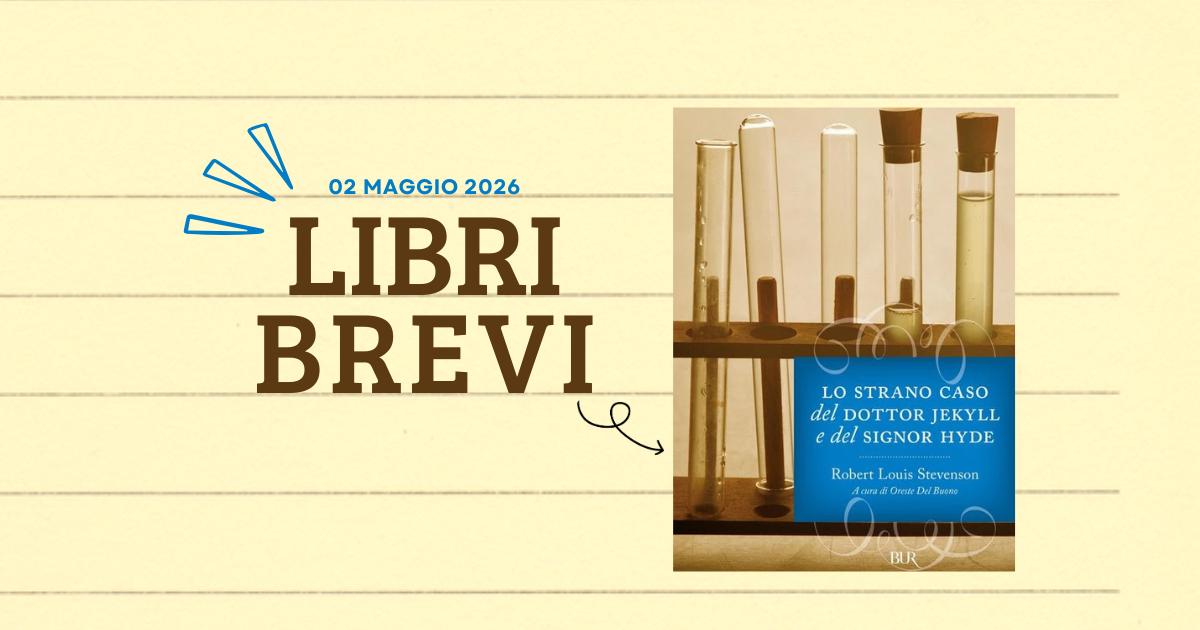
I think it’s time to move on to the subject of this article: The Strange Case of Dr. Jekyll and Mr. Hyde by Stevenson.
A book I found enlightening, though I was quite confused at first.
Book Info:
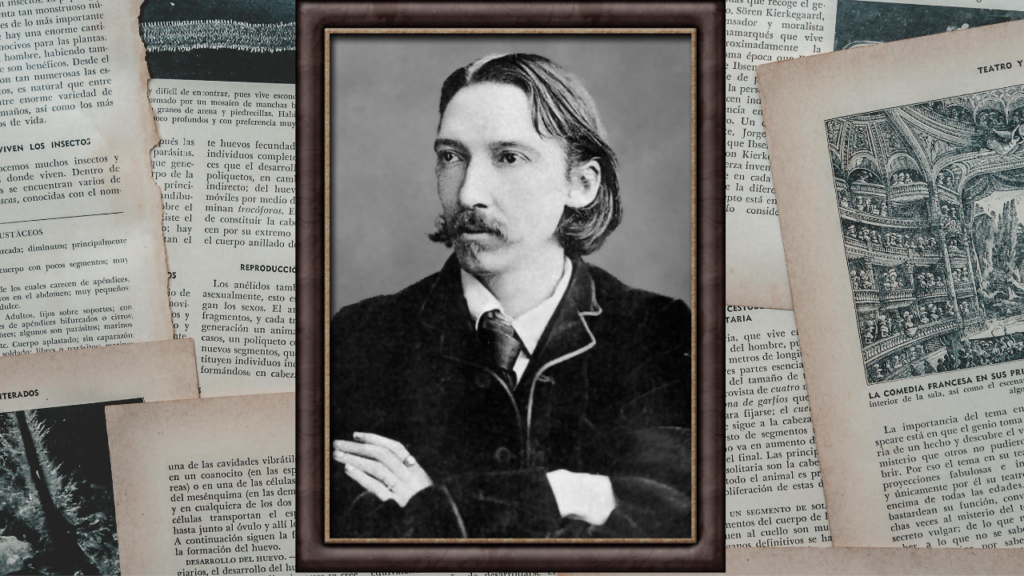
The author is Robert Louis Balfour Stevenson, a Scottish playwright, poet, and writer, often recognized for writing Treasure Island.
The plot is pretty simple: we follow the lawyer Utterson as he unravels the mystery connecting his friend Jekyll to Mr. Hyde.
The edition I ended up reading is the Rizzoli BUR, and it’s about 130 pages long.
Personal opinion:
What can I say? Read it, READ IT!
— Fin
Well... if I had to summarize, that would be about it.
Though, I think it’s better to dive a little deeper.
So, the book is a classic/gothic (which is why I particularly enjoyed the read), and it really confused me with the moral message that I struggled to grasp.
I started with the idea of delving into this masterpiece to understand the dualism of good and evil in each of us and to get the moral by the end... haha, I couldn’t have been more naïve!
Beyond the processing time it took me to understand what I had read, the confusion was part of it.
It encourages reflection, and if a book can spark that... it’s doing its job.
In the end, good and evil can’t be separated, as Jekyll wanted; they are two sides of the same coin.
Trying to divide them can lead to worse consequences than we fear, and it’s the excessive attraction or attachment to evil that causes us to lose who we are.
Honestly, it may sound trivial, but realizing it is far from simple — especially when you’re deep into it.
Anyway, a particularly significant book that fascinated me with its moral complexity (and its brevity!).
Definitely one of those classics worth diving into — if it inspires you.
Leave a Reply